


Technology Leadership and Innovation Programme
- Online with live sessions
- Networking Immersion
- 2-Weeks capstone project
- Interview with Industry experts
Future-Proof Your Career
Emeritus and NUS School of Computing unite to offer an exclusive opportunity. Enrol byInvalid liquid dataand get USD 200 enrolment benefit. Limited seats available. Reserve your spot today!
Programme Overview
7.9%
69%
74%
Learning Outcomes
Create a digital transformation strategy integrating technology to resolve organisational challenges
Assess cutting-edge technologies including Artificial Intelligence, Generative AI, Augmented Reality and Virtual Reality
Evaluate key features and strategies for implementing diverse forms of innovation
Apply leadership tactics to cultivate an innovative organisational environment
Programme Highlights

Earn a certificate from Asia’s highest ranking institute

Benefit from a comprehensive curriculum featuring emerging technologies like Generative AI

18 Assignments, Quizzes, Discussion boards (each)

Application-based assessment to enhance critical thinking

Recorded and 3+ live sessions from world-renowned faculty

A two-week capstone project

Networking event with peers and global leaders from other organisations

Interviews with industry experts
Live office hour sessions and personalised support from industry leaders
Note:
This is a self-paced async programme. Post-session video recordings will be available for up to 12 months after programme completion.
Assignments are graded by industry practitioners who are available to support participants in their learning journey and/or by the Emeritus grading team. The final number of quizzes, assignments and discussions will be confirmed closer to the programme’s start date.
The NUS School of Computing Advantage
#1
#8
#2
Who is this programme for?
People in technology leadership roles who want to keep their organisations ahead with tech innovations, or those aiming for careers in technology leadership
Professionals who want to lead innovation, build strong teams and create strategies for aligning their organisations
Technology managers, executives and consultants who need to stay updated on the latest technologies and improve their ability to provide top-notch solutions
Professionals in or moving to roles in transformation, innovation or change management who want to improve their leadership skills to drive transformation in their organisations
Key Skills

Digital Transformation Strategy

Business Model Innovation

Data Analytics and Interpretation

AI and Emerging Technologies

Cybersecurity and Risk Management

Agile and System Thinking

Change Management and Digital Culture

Governance and Compliance in Tech

Leadership in the Digital Era
Programme Modules
Phase 1: Digital Transformation
Module 1: Overview of Digital Transformation
Sustaining Innovation and Growth in a Digitally-Transformed Landscape
Orchestrating a Digital Ecosystem for Enhanced Value Creation
Developing Future Pathways from Past and Present Technological Transformations
Navigating Disruptive Change in Key Sectors
Module 2: Digital Business Models
Business Models - From Traditional to Digital
Introducing Business Model Canvas (BMC)
Do Digital Technolgies Help in Optimising the Financial Foundation?
Digital Ecosystem and Digital Platform Canvas
Module 3: Strategy Formulation and Process of Digital Transformation
Transform into What (How new games are played)?
Setting Up the Right Resources and Governance
Culture Change Underpin Everything
Business Values of Digital initiatives / ROI expectations
Transformation is a Multi-Tracks Journey Leading to One Destination
Module 4: Digital Transformation Action Plan
Tech Trends, Possibilities and Common mistakes
Prioritisation
Fusion Teams
AAE Workshop to Align Focus
Brown-Paper Approach to BPR
Managing Pilot Implementation
Phase 2: Emerging Technologies
Module 5: Role of Data and Analytics
From Descriptive to Prescriptive Analytics and More
Data Wrangling
The Analytics Process Methodology
Lab: Preparation for Predictive Analytics Modelling
Lab: Model Evaluation for Predictive Analytics Modelling
Module 6: ML-Deep Learning and Neural Network
Introduction to Artificial Neural Networks (ANNs), and their applications
ANN Components and Function
Deep Learning
Convolutional Neural Networks
Recurrent Neural Networks
GANs and Transformers
Module 7: Robotics and Reinforcement Learning
What is Reinforcement Learning (RL) and its components
Markov Process
RL Method
Robotics
Module 8: Generative AI
Introduction to Generative AI
Introduction to Variational Autoencoders (VAEs)
Understanding Generative Adversarial Networks (GANs)
Applications of Generative AI
Ethical Considerations in Generative AI
Creativity and Problem-Solving with Generative AI
Real-World Case Studies of Generative AI
Module 9: AI and Business Application
Supervised Learning Applications - Time Series Applications
Semi-Supervised Learning - Recommender System Applications
Self-Supervised Learning and Large Language Models (LLMs)
Unsupervised Learning - Clustering Applications and Anomaly Detection
Reinforcement Learning Applications
Module 10: Cybersecurity
Cyber Threat Landscape
NIST Cybersecurity Framework
Cybersecurity Defence in Depth
Develop Cyber Resilience
AI in Cybersecurity
Module 11: Other Technologies: IoT, AR/VR
Forms of Reality & Trends
How Good Does the VR Visual Display Need to Be?
Development Pipeline & Tools
Theories of Motion Sickness
AI/ML in the Development Pipeline and Solutions
How 5G MEC Helps in Building AR/VR and Intelligent IoT Applications
Phase 3: Digital Innovation
Module 12: Innovation Strategy to Address Digital Disruption
Digital Principles
Types of Innovation
Ideation
Innovation Funnel
Examples of Venture Hubs
Pitfalls
Module 13: System Thinking and Agile Methodologies
System and Systems Thinking in Innovation
Goal and Value of Systems Thinking in Innovation
Feedback Structure Dictates Problem Behaviour
Agile Methodology
Refactoring and Retrospectives
Project Dynamics and the Role of Agile Methodology
Module 14: Implementing Digital Innovation
Green Field Approach
Different Phases of a Green Field Approach
Pathway to Innovation from Legacy
Interview with Thorsten Neumann
Case study Hyfindr
Case study kyberlife
Mission Pyramid of Technology
Phase 4: Leadership and Governance
Module 15: Building Team and Digital Culture for Transformation
Understanding Digital Transformation
Importance of Team Building
Creating a Vision for Digital Culture
Cultivating Innovation and Adaptability
Measuring and Sustaining Digital Culture
Module 16: Managing Digital Complexities and Change Management
Change Management in the Digital Era
Strategies for Managing Complexity through Digitalisation
Crisis Management in the Digital Age
Enhancing Project Management Skills for VUCA Environments
Managing Complexity in a Global Digital Workforce
Module 17: Leading through ESG Challenge
Understanding ESG
Strategies for ESG Integration in Digital Transformation
Managing ESG Risks in Digital Transformation Plans
ESG Reporting and Transparency
Leading Teams in Sustainable Transformation Initiatives
Module 18: Technology and Innovation: Security and Governance
Enterprise Governance
Digital Strategies and Technology Governance
Portfolio Prioritization
Security Governance
Data Governance
Risk Management
Capstone Project
The Capstone Project will give participants an opportunity to apply the learnings from this program to a key industry or a real-world situation.
Interview sessions

Innovation and Reflection

Transforming Digital Landscapes

Driving Innovation Through Data and AI
Case Study

Ping An- Digital Disruptor Case Study

Marriot Hospitality Analytics case study

MySingTel - Digital Transformer Case Study
Additional Resources on Gen AI*

Gemini

DALL-E

TensorFlow

Stable Diffusion

Sora
Note: All product and company names are trademarks or registered trademarks of their respective holders. Their use does not imply any affiliation or endorsement.
Past participants of Emeritus work at









Participants Profile
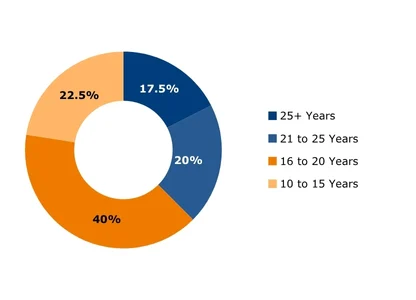
Work Experience
Top Industries
Banking & Financial Services
Education
IT Products/Services
Manufacturing
Technology/Telecom
*Other industries include Aerospace/Aviation, Engineering, Government, Healthcare/Health Services, etc.
Programme Faculty

Chia Chien Wei
Adjunct Associate Professor (Department of Industrial Systems Engineering & Management, CDE)
Founder of inventivemindset.com

Dr Amirhassan Monajemi
Senior Lecturer (Department of Computer Science)

Dr Anand Bhojan
Senior Lecturer (Department of Computer Science)

Samantha Sow
Senior Lecturer (Department of Information Systems & Analytics)

Dr Yeo Wee Kiang
Senior Lecturer (Department of Information Systems & Analytics)

Dr Ai Xin
Lecturer (Department of Computer Science)

Dr Yang Lu
Lecturer (Department of Information Systems & Analytics)

Dr Michael Gorriz
Senior Executive Education Fellow, (NUS Advanced Computing for Executives)

Ang Leong Boon
Executive Education Fellow (NUS Advanced Computing for Executives)

Jim Lim
Executive Education Fellow (NUS Advanced Computing for Executives)

Mario Favaits
Executive Education Fellow (NUS Advanced Computing for Executives)

Zaid bin Hamzah
Executive Education Fellow (NUS Advanced Computing for Executives)

Dr Jenson Goh
Instructor (NUS Advanced Computing for Executives)

Marcus Pang
Instructor (NUS Advanced Computing for Executives)
Testimonials
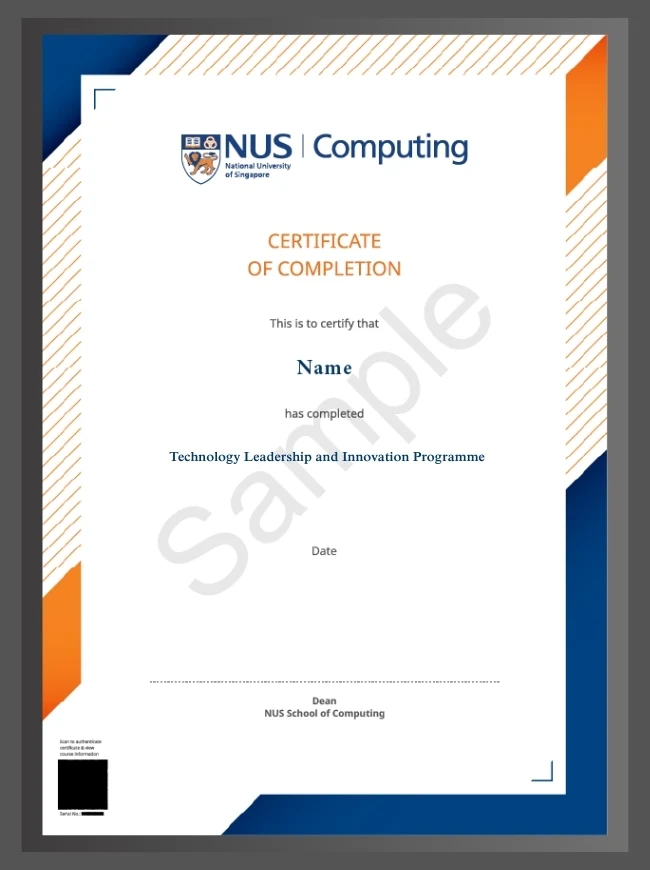
Certificate
Upon successful completion of the programme, participants will be awarded a verified digital certificate by the NUS School of Computing.
Note: All certificate images are for illustrative purposes only and may be subject to change at the discretion of the NUS School of Computing.
Explore the 9 to 10 months, Online - Chief Technology Officer (CTO) Programme by NUS School of Computing
Know more about NUS School of Computing Chief Technology Officer (CTO) Programme
The Learning Experience
More than 300,000 professionals globally, across 200 countries, have chosen to advance their skills with Emeritus and its educational learning partners. In fact, 90 percent of the respondents of a recent survey across all our programs said that their learning outcomes were met or exceeded. All the contents of the course would be made available to students at the commencement of the course. However, to ensure the program delivers the desired learning outcomes, the students may appoint Emeritus to manage the delivery of the program in a cohort-based manner during the course period, the cost of which is already included in the overall Course fee of the course.
A dedicated program support team is available 7 days a week to answer questions about the learning platform, technical issues, or anything else that may affect your learning experience.
FAQs
What is the NUS School of Computing’s Technology Leadership and Innovation Programme?
This technology leadership programme by the NUS School of Computing is designed to equip technology professionals with the skills to drive strategic transformation through digital technology. As part of the NUS leadership programme and executive leadership programme offerings, it focuses on integrating emerging technologies like AI, AR/VR, and generative AI into business strategies, fostering innovation leadership. It’s also aligned with the goals of the emerging leaders programme and leadership development programme globally.
What is the learning format of the programme, and does it offer networking opportunities?
The programme is delivered fully online, blending recorded content with 3+ live sessions from the world-renowned NUS faculty. It offers rich networking opportunities through live office hours, personalised support from industry leaders, interactive assignments, quizzes, discussion boards, a networking event with global peers, expert interviews, and a two-week capstone project, making it a well-rounded leadership development experience.
Who should enrol in this programme?
This programme is designed for technology leaders, managers, and professionals looking to drive innovation, lead digital transformation, and enhance their leadership capabilities. It's ideal for those in or moving into roles in technology leadership, innovation, or change management, and is suitable for anyone exploring executive leadership programmes, programmes in management, or emerging leaders’ institutes.
What topics are covered in this leadership programme?
The curriculum covers digital transformation strategy, emerging technologies like Generative AI, business model innovation, cybersecurity, and agile thinking. These areas are essential in any leadership programme aiming to prepare participants for the challenges of modern technology leadership.
Is this considered a short programme in leadership and innovation?
Yes, this is a 20-week (4–6 hours/week) leadership development programme designed to be completed alongside full-time work commitments. It offers an accelerated and practical approach for learners looking to build or sharpen their leadership skills quickly through top-tier NUS programmes.
What certification will I receive?
Upon successful completion of the programme, participants will be awarded a verified digital certificate by the NUS School of Computing. This certificate demonstrates your achievement in the Technology Leadership and Innovation Programme and can be a valuable addition to your professional profile, highlighting your commitment to advancing your skills in technology leadership.
What is the cost of the programme, and are there any installment plans or financial support available?
The full programme fee is US$5,000. Yes, installment plans or financial support options are available. Participants can contact the programme advisors for more information.
What if I don’t find the programme appropriate for me after starting the sessions? Can I seek a refund?
We encourage learners to complete the programme to fully understand the concepts and derive valuable learning outcomes. However, if you still choose to withdraw, you may request a full refund within 7 days of payment or 14 days after programme commencement, whichever comes later. After this period, the programme fee becomes non-refundable.
How is this programme different from other leadership certificate programmes?
This programme stands out due to its comprehensive curriculum, integration of real-world case studies, and the prestige of the NUS School of Computing. It's structured around strategic models and taught by globally recognised faculty, making it a premium option among executive leadership programmes and NUS future leaders programme.
Does this programme help with building leadership skills for technology-driven businesses?
Absolutely. The programme is designed to provide practical skills and knowledge that can be directly applied to real-world challenges, enhancing your effectiveness in leading technology leadership initiatives. The lessons are delivered by lecturers from NUS School of Computing and experienced practitioners who are experienced senior technology leaders.
Will I gain hands-on experience while enhancing my skills in innovation and leadership?
Yes. The programme includes hands-on exercises and a capstone project that allows participants to apply learned concepts in practical scenarios, fostering both innovation leadership and leadership development. Application-based assessment enhances critical thinking.
Is this a self-paced or instructor-led online programme?
It’s a blended format. While most of the content is self-paced, it also includes live faculty sessions for real-time engagement, providing a balance between flexibility and interactive learning, ideal for busy professionals seeking NUS programmes in leadership development.
What kind of support is available to participants during the programme?
Participants have access to weekly online sessions, during office hours with programme leaders, discussion boards for peer learning, and support from industry practitioners for assignments and concept clarification.
Can I apply the skills learned immediately to my job?
Absolutely. This programme, delivered through a blend of academic and insights from experienced industry leaders, is designed to provide practical skills and knowledge that can be directly applied to real-world challenges, particularly valuable for those emerging leaders' programmes or programmes in management roles.
What is the capstone project about?
The capstone project allows participants to integrate and apply the knowledge and skills acquired throughout the programme to a comprehensive leadership strategy, simulating real-world business scenarios, key for anyone pursuing executive leadership programmes.
Can I access the programme materials after completion?
Yes. This is a self-paced, asynchronous programme. Post-session video recordings will be available for up to 12 months after programme completion.
How can I apply for the programme?
Interested individuals can apply through the official programme website by filling out the application form and submitting the required information.
Where can I find reviews or testimonials about the programme?
Prospective participants can find reviews and testimonials on the official programme website or by downloading the brochure. Additionally, searching for the NUS School of Computing’s leadership programme reviews online can provide insights from past participants.
Early registrations are encouraged. Seats fill up quickly!
Starts On